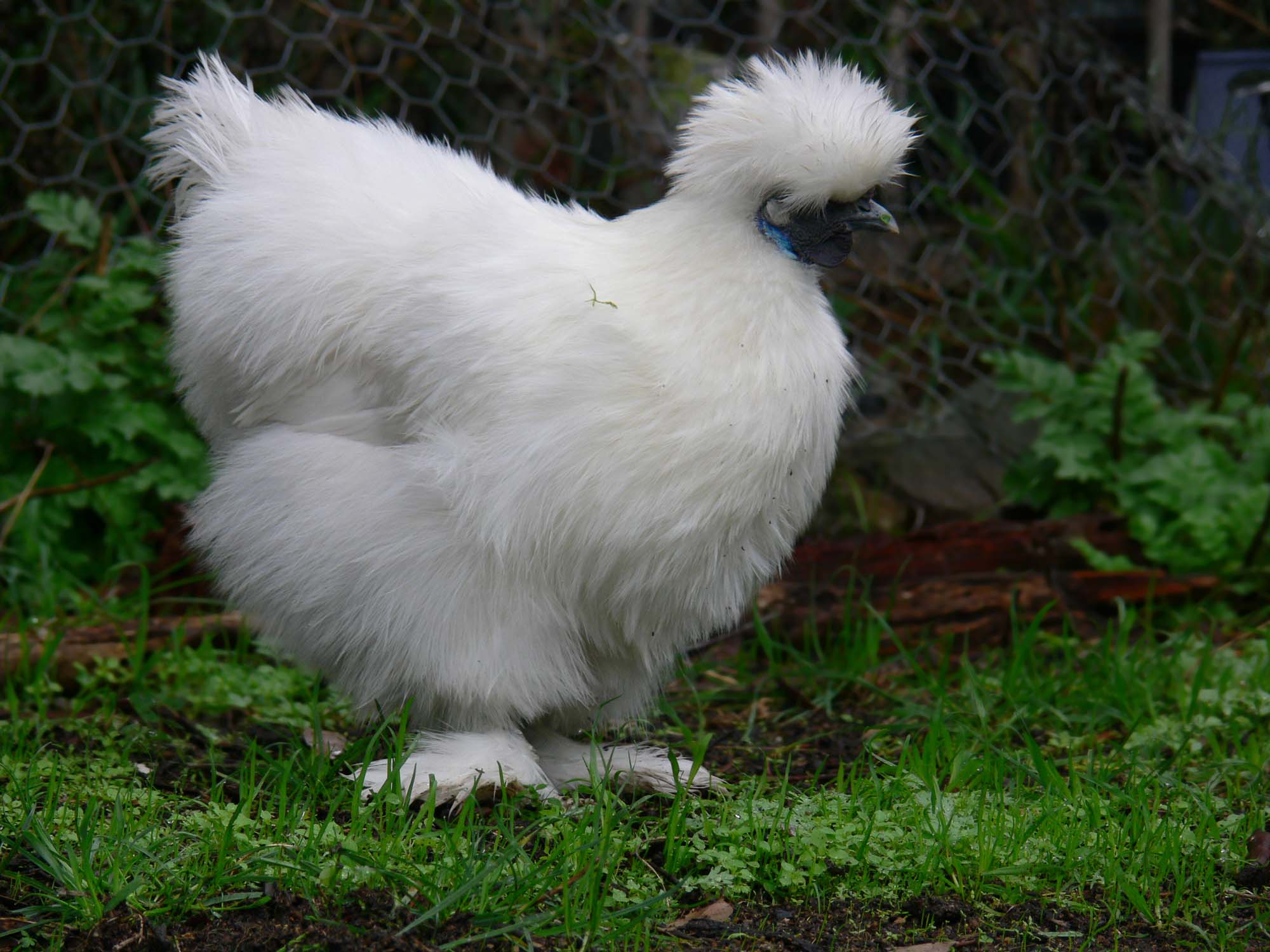
Overview
The Silkie's origin is in ancient Asia, specifically China, where its unusual characteristics were noted centuries ago by travelers. These unique birds were introduced to the Western world, captivating observers with their distinctive silky plumage and other unusual traits. Throughout history, the Silkie has been admired for its ornamental qualities and gentle nature, evolving from an exotic curiosity to a widely recognized and cherished breed.
Over time, selective breeding has refined the Silkie's specific features, maintaining its unique look and docile temperament. It continues to be a popular breed globally, valued for exhibitions, as pets, and for brooding other birds due to its strong maternal instincts. The Silkie's enduring appeal is testament to its unusual beauty and pleasant demeanor among poultry.
Origins
Tracing back to China, the Silkie earned its place in the lineage of chickens through generations of selection — a slow conversation between climate, husbandry, and human eye. Silk-like plumage, black skin, five toes — the imperial ornamental.
Temperament
Custodians describe the Silkie as docile and friendly, they are often kept as pets and are excellent broody hens..
Conservation
Current status: Common · rarity tier Common. Working populations remain in the hands of a small global network — 0+ of them keep programmes on Best of Breed alone.
Silkie, in photographs.
A living plate — community submissions and high-resolution photographs from Wikimedia Commons, sorted by clarity.