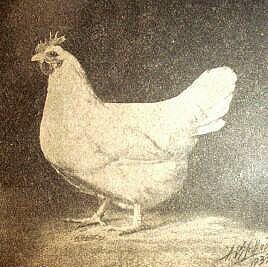
Overview
The Lamona chicken originated in the United States, developed through a breeding program that aimed to create a robust dual-purpose bird. Its genetic foundation was a cross between several established breeds chosen for their desired traits in both meat and egg production. The breed's development focused on producing a bird with white plumage, white skin, and good growth rates, combined with reliable laying performance. It was recognized for its practical utility in a variety of farming contexts.
Despite its initial success and intended widespread use, the Lamona breed's popularity declined over time. Changing agricultural practices and the rise of more specialized commercial broiler and layer breeds led to its eventual marginalization. Today, the Lamona is considered functionally extinct, meaning that while its genetic heritage might persist in some form, no identifiable breeding populations are maintained.
Origins
Tracing back to USA, the Lamona earned its place in the lineage of chickens through generations of selection — a slow conversation between climate, husbandry, and human eye. Functionally extinct USDA-developed white breed.
Temperament
Custodians describe the Lamona as generally known to be docile and adaptable..
Conservation
Current status: Critically endangered to functionally extinct · rarity tier Critically Rare. Working populations remain in the hands of a small global network — 0+ of them keep programmes on Best of Breed alone.
Lamona, in photographs.
A living plate — community submissions and high-resolution photographs from Wikimedia Commons, sorted by clarity.