Overview
The Japanese Quail, in its wild form, originates from regions across East Asia. This species is historically significant as the foundational ancestor for all domestic Coturnix quail strains. Its ecological role has long included being a component of grassland and agricultural ecosystems where it forages and breeds naturally. Over centuries, various populations adapted to regional conditions, contributing to a genetic diversity that would later prove crucial for domestication.
Domestication efforts focused on traits valuable for agriculture, such as rapid growth, early maturity, and prolific egg production. This selective breeding gradually diverged domestic lines from their wild counterparts, leading to the various commercial and hobby breeds known today. The wild Japanese Quail, however, continues to thrive in its native habitats, representing a valuable genetic reservoir and a subject of ongoing ecological study.
Origins
Tracing back to East Asia, the Japanese Quail (wild) earned its place in the lineage of quail through generations of selection — a slow conversation between climate, husbandry, and human eye. Wild ancestor of the domestic Coturnix.
Temperament
Custodians describe the Japanese Quail (wild) as tends to be shy and ground-dwelling, exhibiting natural foraging and cryptic behaviors..
Conservation
Current status: Not formally tracked as a distinct wild strain, but rather as the species Coturnix japonica. · rarity tier Common. Working populations remain in the hands of a small global network — 0+ of them keep programmes on Best of Breed alone.
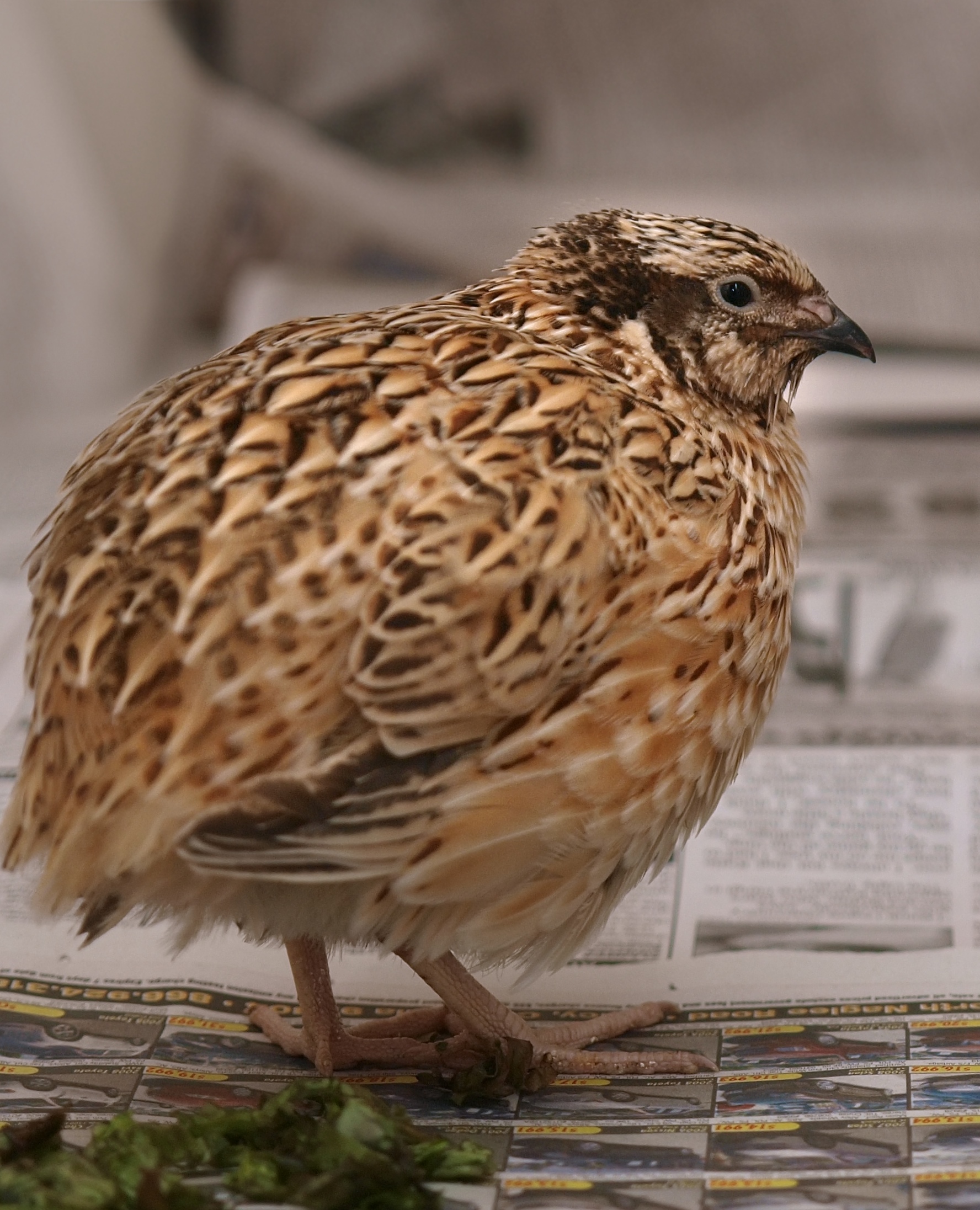
Japanese Quail (wild), in photographs.
A living plate — community submissions and high-resolution photographs from Wikimedia Commons, sorted by clarity.