Overview
The Hamburg chicken breed has a history suggesting development in the Netherlands and Germany. Its lineage likely includes a diverse array of fowl from the region, with its distinctive rose comb and plumage patterns having been refined over time. Early records and artistic depictions offer clues to its presence and characteristics in previous centuries, indicating a sustained interest in its unique appearance and productive traits.
Throughout its development, the Hamburg has been appreciated for both its ornamental qualities and its utility as an egg layer. The breed helped to establish standards for certain feather patterns and comb types. Today, it is recognized globally, maintained by breeders who value its heritage and uphold its established breed characteristics, serving also as an exhibition fowl.
Origins
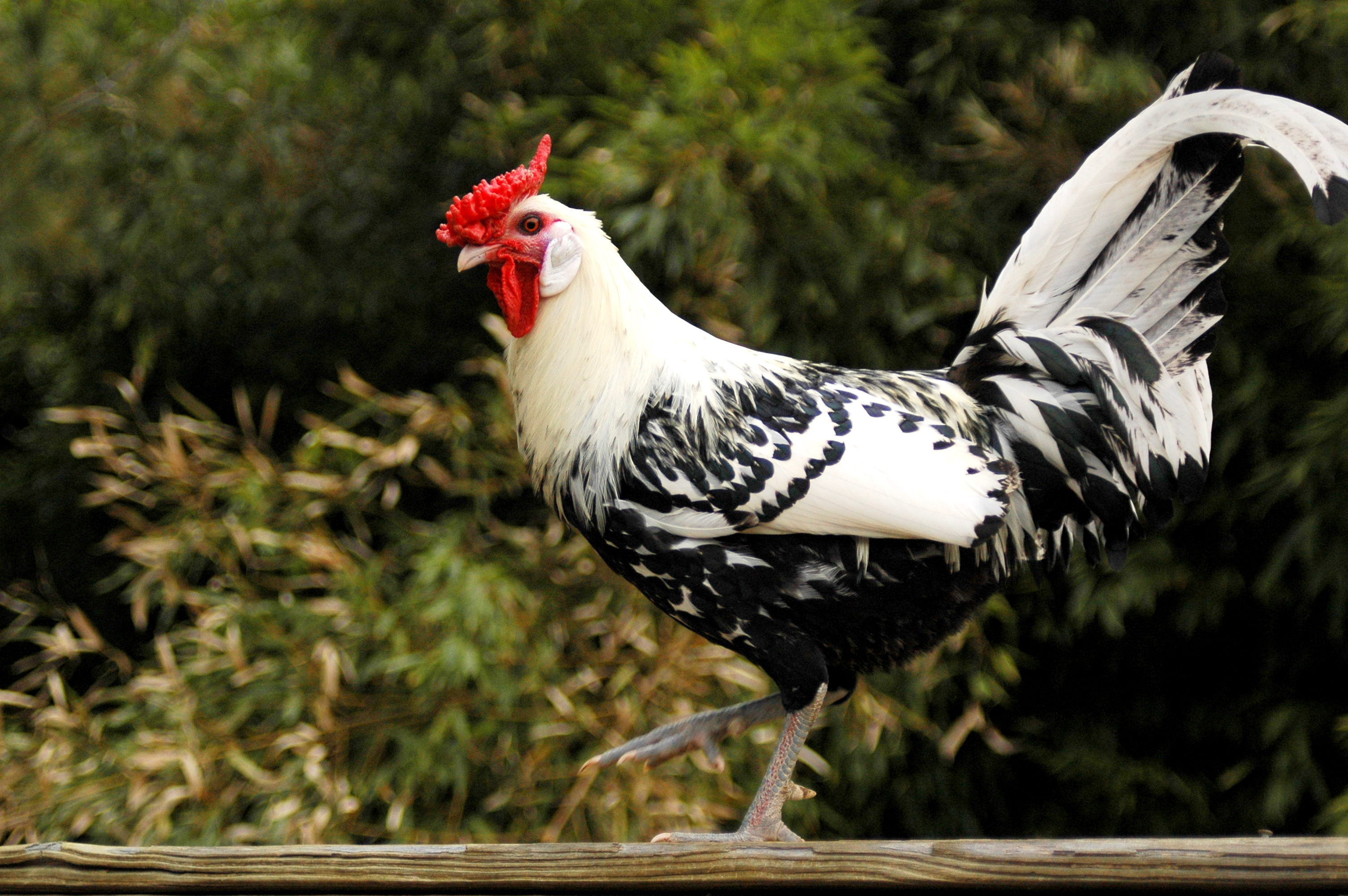
Tracing back to Holland / Germany, the Hamburg earned its place in the lineage of chickens through generations of selection — a slow conversation between climate, husbandry, and human eye. Sleek pencilled or spangled breed with rose comb.
Temperament
Custodians describe the Hamburg as active, flighty, and generally independent..
Conservation
Current status: Recovering · rarity tier Uncommon. Working populations remain in the hands of a small global network — 0+ of them keep programmes on Best of Breed alone.
Hamburg, in photographs.
A living plate — community submissions and high-resolution photographs from Wikimedia Commons, sorted by clarity.