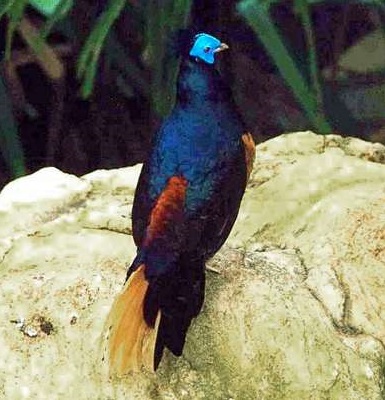
Overview
The Crested Fireback, native to regions of Sundaland, has long been a notable species within its natural habitat. Its striking appearance, characterized by a distinctive crest and vibrant plumage, has made it a subject of interest. These pheasants are known for their preference for lowland forests, where they forage and reside. Their presence is an indicator of healthy forest ecosystems.
Historically, the species has faced challenges related to habitat modification and collection, which have influenced its populations. Conservation efforts have been initiated in various areas to protect its remaining natural strongholds. Today, organizations and local communities work to ensure the continued survival of this beautiful pheasant, monitoring its distribution and ecological needs to sustain its populations.
Origins
Tracing back to Sundaland, the Crested Fireback earned its place in the lineage of pheasants through generations of selection — a slow conversation between climate, husbandry, and human eye. Showy crested Bornean pheasant.
Temperament
Custodians describe the Crested Fireback as generally shy and reclusive, preferring dense undergrowth..
Conservation
Current status: Near Threatened · rarity tier Rare. Working populations remain in the hands of a small global network — 0+ of them keep programmes on Best of Breed alone.
Crested Fireback, in photographs.
A living plate — community submissions and high-resolution photographs from Wikimedia Commons, sorted by clarity.