Overview
Khaki Campbells were developed in the late 19th and early 20th centuries. Their creation involved the cross-breeding of various duck types, including Fawn and White Runner ducks and Rouens, with the aim of developing a highly productive egg-laying duck. The initial breeders focused on combining hardiness with superior egg production. These early efforts led to a duck that was notable for its consistent laying capabilities rather than its meat qualities.
Over time, the breed gained widespread recognition for its exceptional laying performance, becoming one of the most popular egg-laying ducks globally. Its adaptability to diverse environments and its efficient conversion of feed into eggs contributed to its success. Today, Khaki Campbells are celebrated as the world's leading laying duck breed, highly valued by small farmers and homesteaders for their prolific egg production.
Origins
Tracing back to England, the Khaki Campbell earned its place in the lineage of ducks through generations of selection — a slow conversation between climate, husbandry, and human eye. Prolific khaki layer — the world's leading egg duck.
Temperament
Custodians describe the Khaki Campbell as active, alert, and generally docile; easily managed within a flock..
Conservation
Current status: Common · rarity tier Common. Working populations remain in the hands of a small global network — 0+ of them keep programmes on Best of Breed alone.
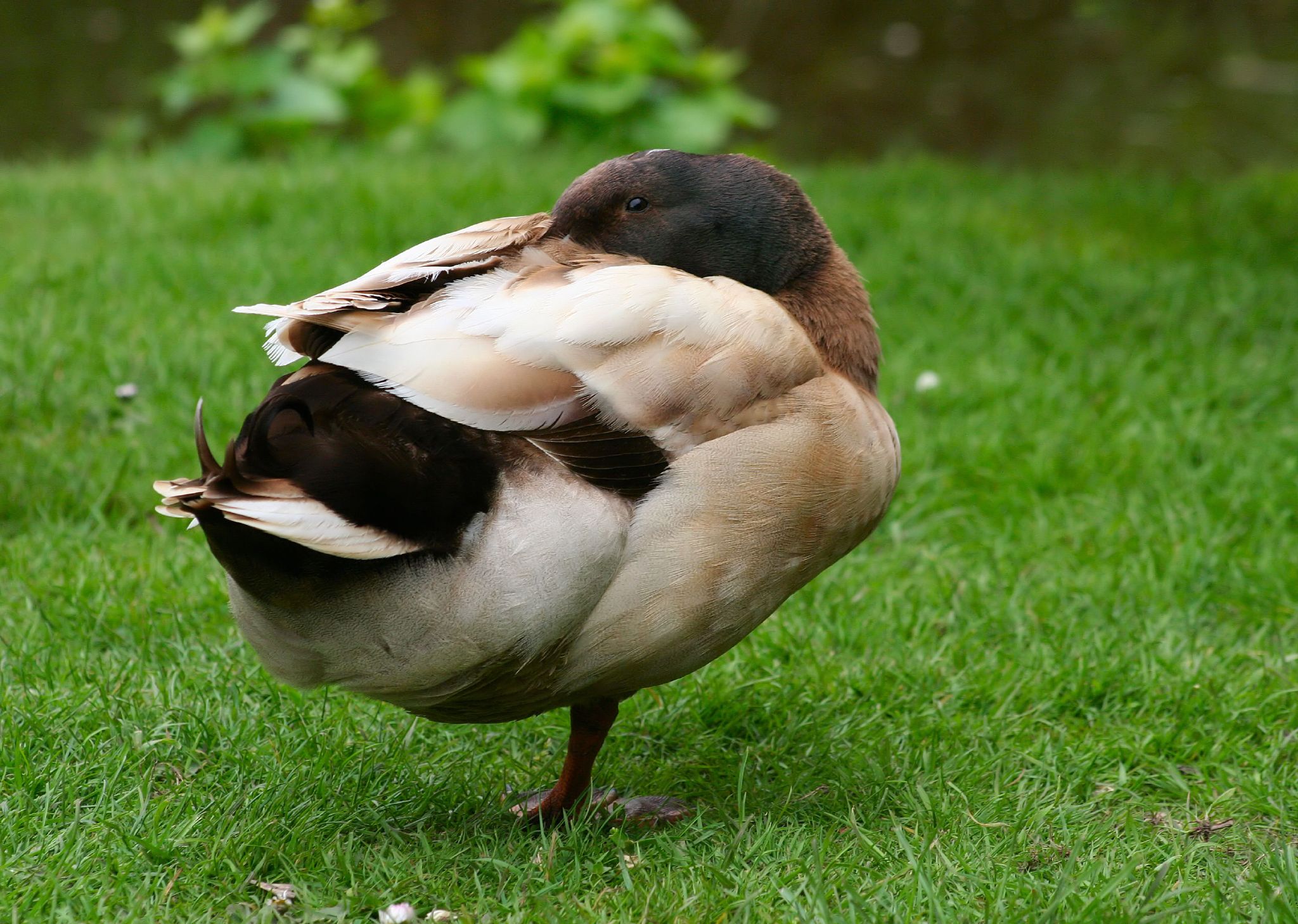
Khaki Campbell, in photographs.
A living plate — community submissions and high-resolution photographs from Wikimedia Commons, sorted by clarity.